Perforated Metal Sheet - Punched Metal Panels

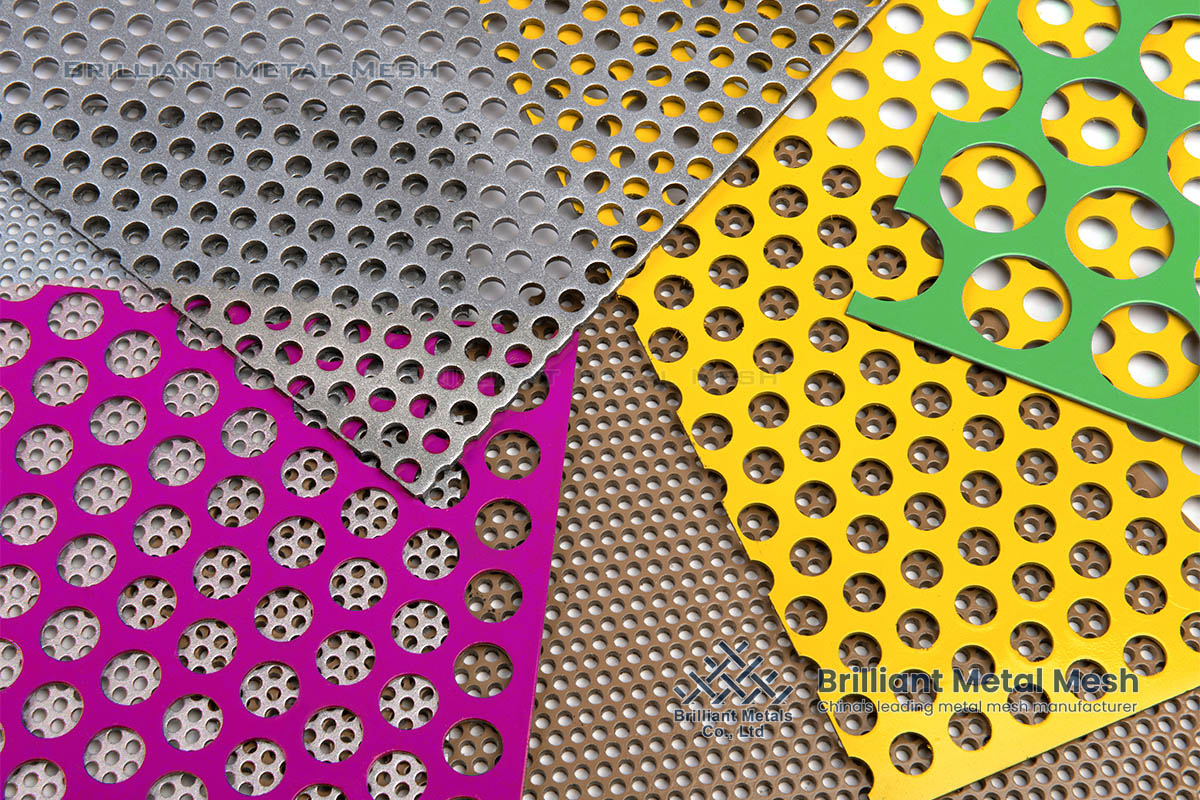
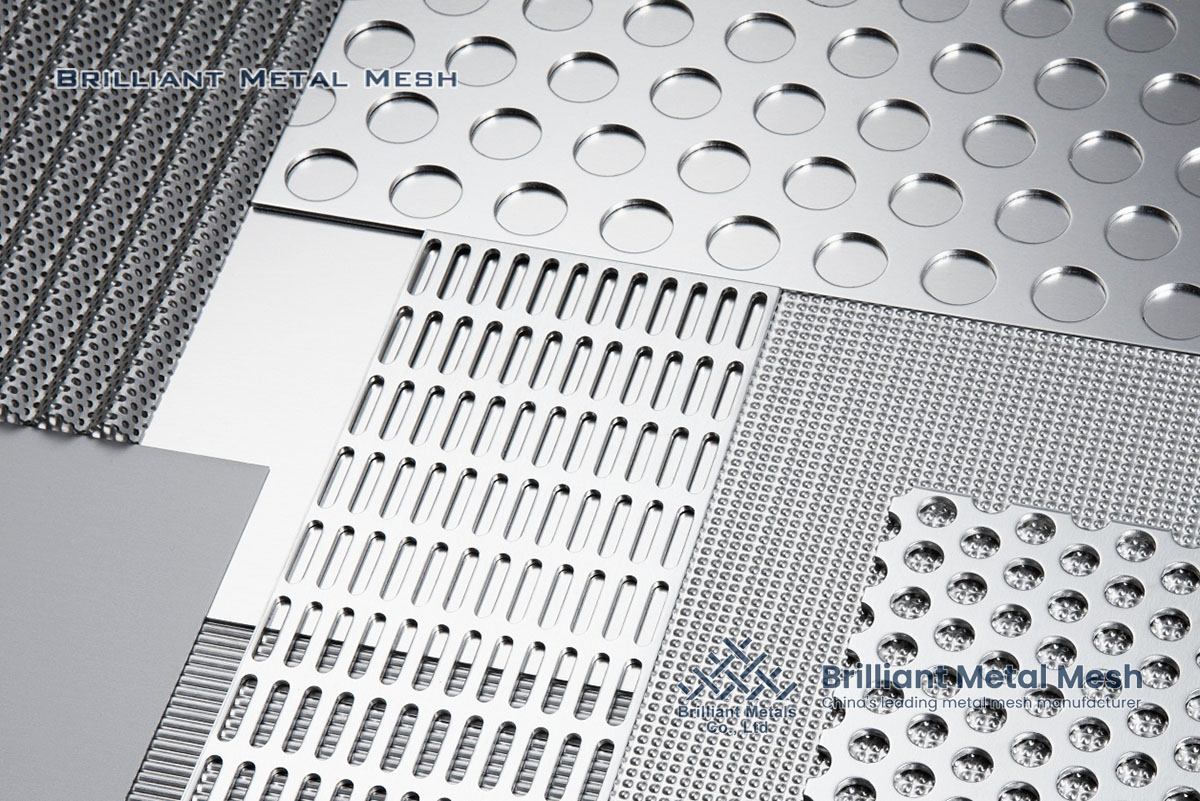
Perforated metal sheet is a flat metal panel that has been mechanically or digitally punched with a series of holes or shapes in a specific pattern. Also called perforated metal panels, perforated metal screen, or perforated metal mesh, these sheets are widely used for both functional and decorative purposes. The perforations can vary in size, shape, and arrangement, providing unique properties such as light diffusion, ventilation, filtration, sound control, and aesthetic appeal. Punched metal sheets are valued for their strength, durability, and versatility, making them suitable for industries ranging from architecture to industrial processing.

Perforated metal panels combine structural strength with aesthetic flexibility, making them an essential material for modern design and engineering. Whether used as perforated metal screens for filtration, perforated metal mesh for architectural accents, or industrial components, they offer a perfect balance between functionality and style.

Types of Hole Patterns in Perforated Metal Panels

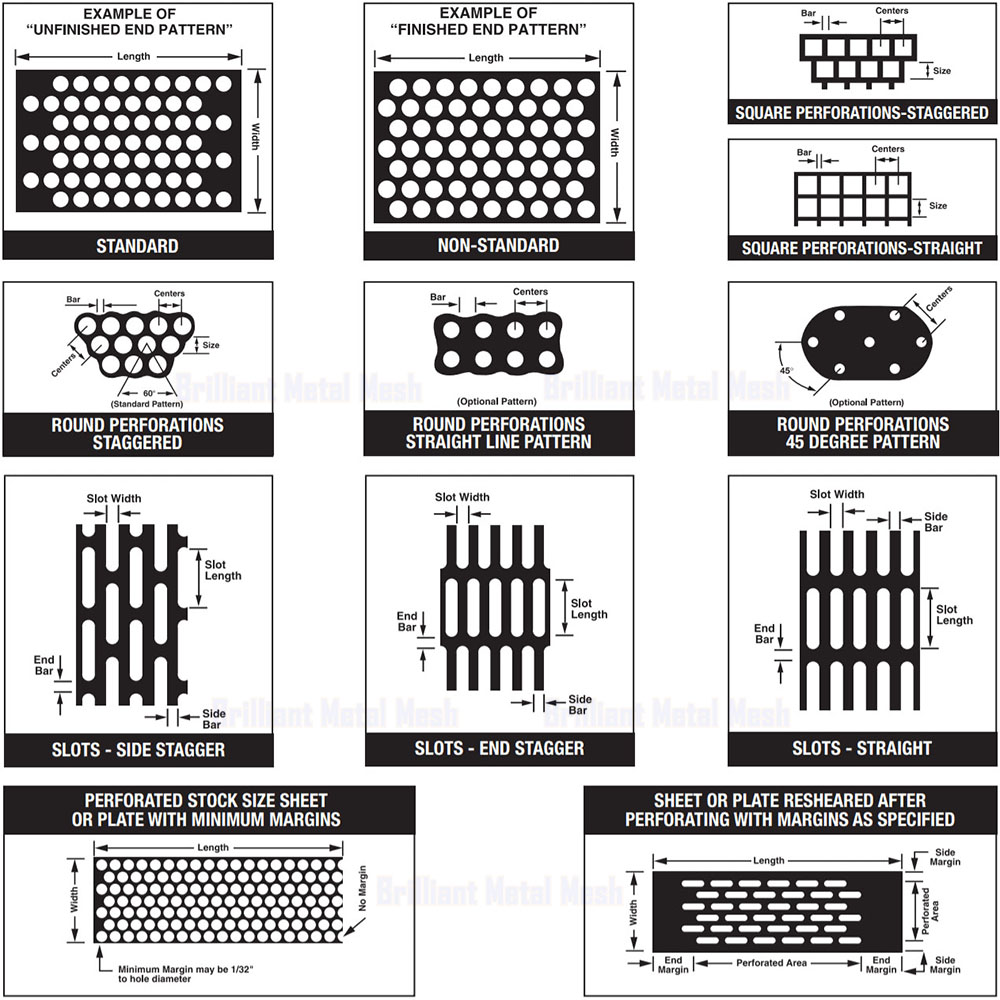
The hole pattern in a perforated metal panels determine its open area, strength, appearance, and performance. Common perforation styles include:

Round hole perforated metal panels: The most common and versatile type. Offers balanced strength, open area, and aesthetic appeal. Used for ventilation, screening, and filtration.

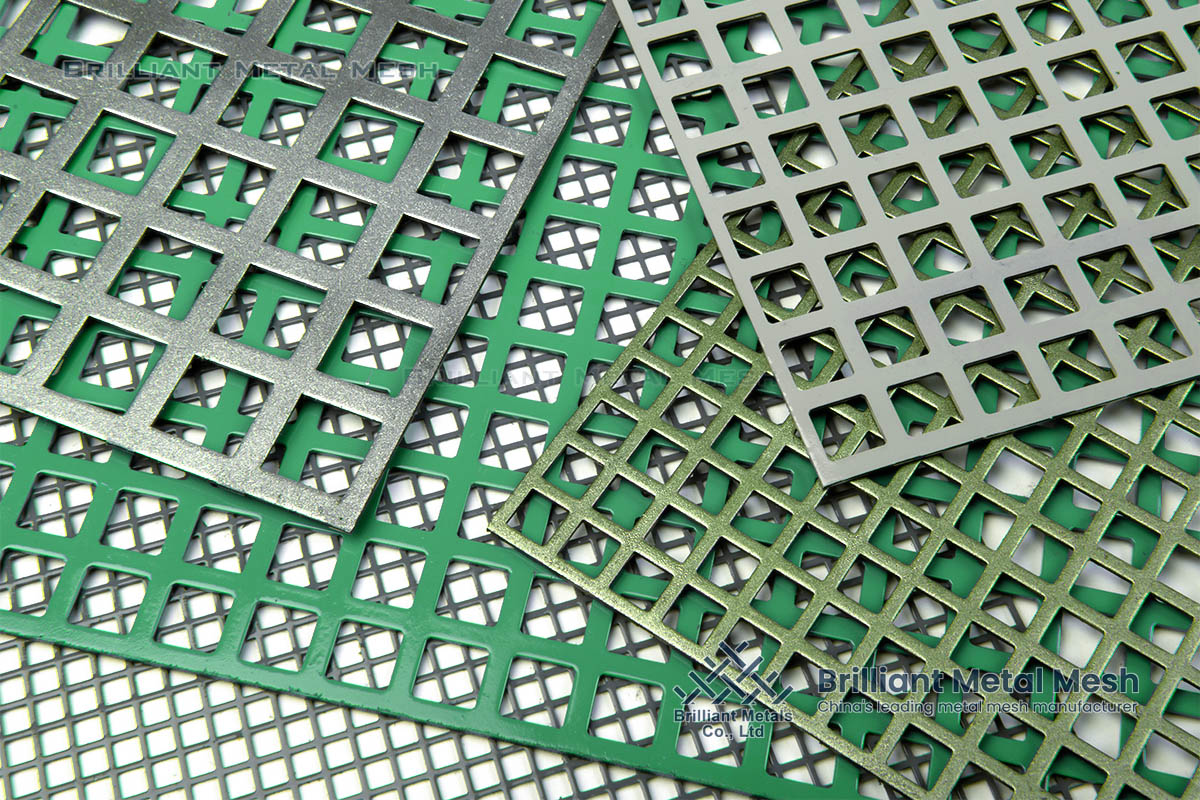
Square hole perforated sheet metal: Provides a modern look with high open area. Suitable for heavy-duty screening and industrial processes.

Slotted perforated sheet metal: Slots can be arranged in straight or staggered rows. Ideal for separation, drainage, and architectural effects.

Hexagonal perforated metal screen: Maximizes open area while maintaining structural integrity. Common in filtration and decorative designs.

Custom punched metal sheets: Includes decorative shapes like stars, diamonds, and logos. Used in branding, facades, and artistic installations.

The perforation process can be done using punch presses, CNC laser cutting, or other advanced fabrication technologies for high precision.

Materials Used in Perforated Metal Screen

Perforated metal screen can be manufactured from a variety of metals and alloys, each offering distinct advantages:

  • Stainless Steel Perforated Sheet Metal: Highly corrosion-resistant, strong, and suitable for harsh environments.
  • Aluminum Perforated Metal Panels: Lightweight, corrosion-resistant, and easy to fabricate, often used in architecture and transportation.
  • Galvanized Steel Perforated Metal Screen: Economical with good rust resistance, ideal for outdoor applications.
  • Mild Steel Perforated Metal Mesh: Strong and cost-effective, often coated or painted for protection.
  • Copper and Brass Perforated Mesh Sheet: Attractive finishes, good corrosion resistance, and antimicrobial properties, often used decoratively.
  • Titanium and Other Alloys: Used in specialized industries requiring exceptional strength and corrosion resistance.

The choice of material depends on the intended use, environmental conditions, load requirements, and aesthetic considerations.

Applications of Perforated Metal Mesh

Due to its adaptability, perforated metal mesh is used across numerous industries:

  • Architectural and Interior Design: Wall cladding, ceilings, facades, sunscreens, decorative panels, and balustrades.
  • Industrial Uses: Machine guards, safety barriers, sieves, filters, and ventilation covers.
  • Acoustic Control: Noise-reducing panels in auditoriums, studios, and machinery enclosures.
  • Agricultural and Food Processing: Grain dryers, sifters, and sorting equipment.
  • Automotive and Transportation: Grilles, ventilation panels, and protective screens.
  • Security and Screening: Protective covers, fencing, and anti-intrusion panels.
  • Lighting and Signage: Diffuser panels, backlit displays, and custom illuminated designs.
GET QUOTE

Please contact us via the form below, we will get back to you as soon as possible.

Contact Us

Maximum file size: 12MB

Related Products