Home » Woven Wire Mesh
Woven Wire Mesh Screen - Woven Metal Mesh
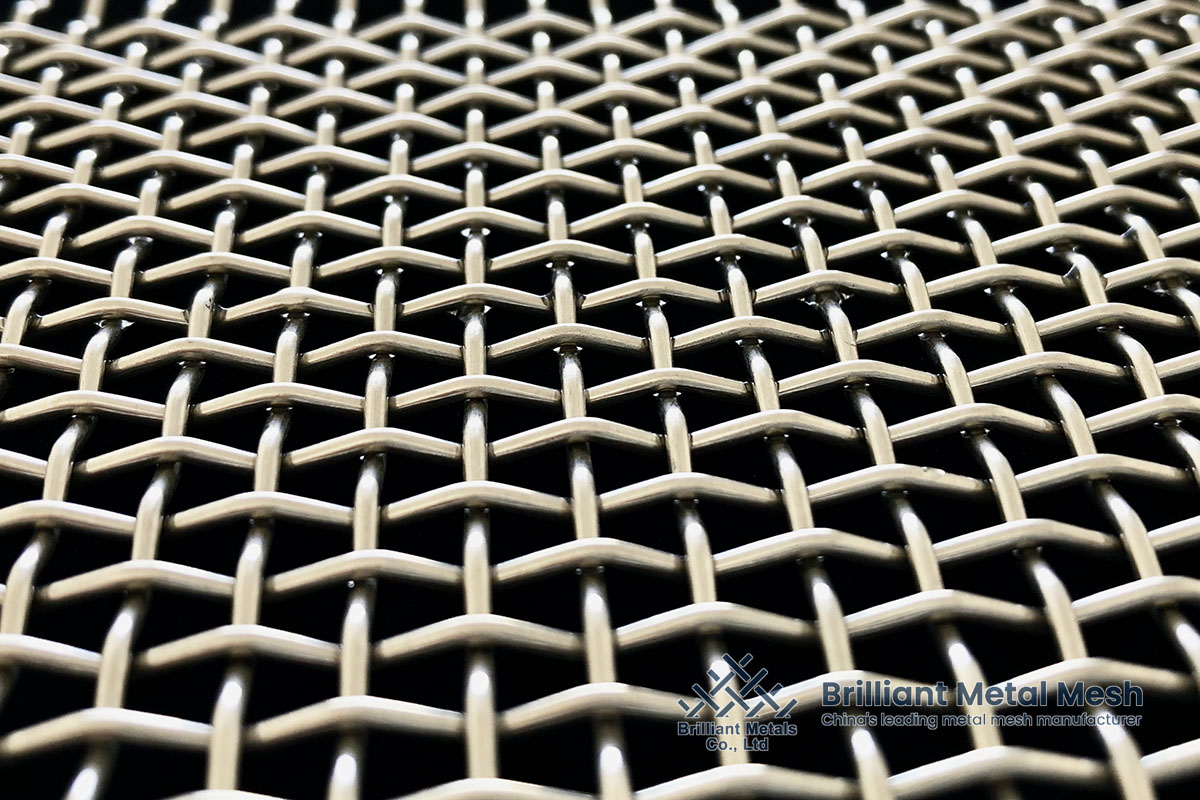
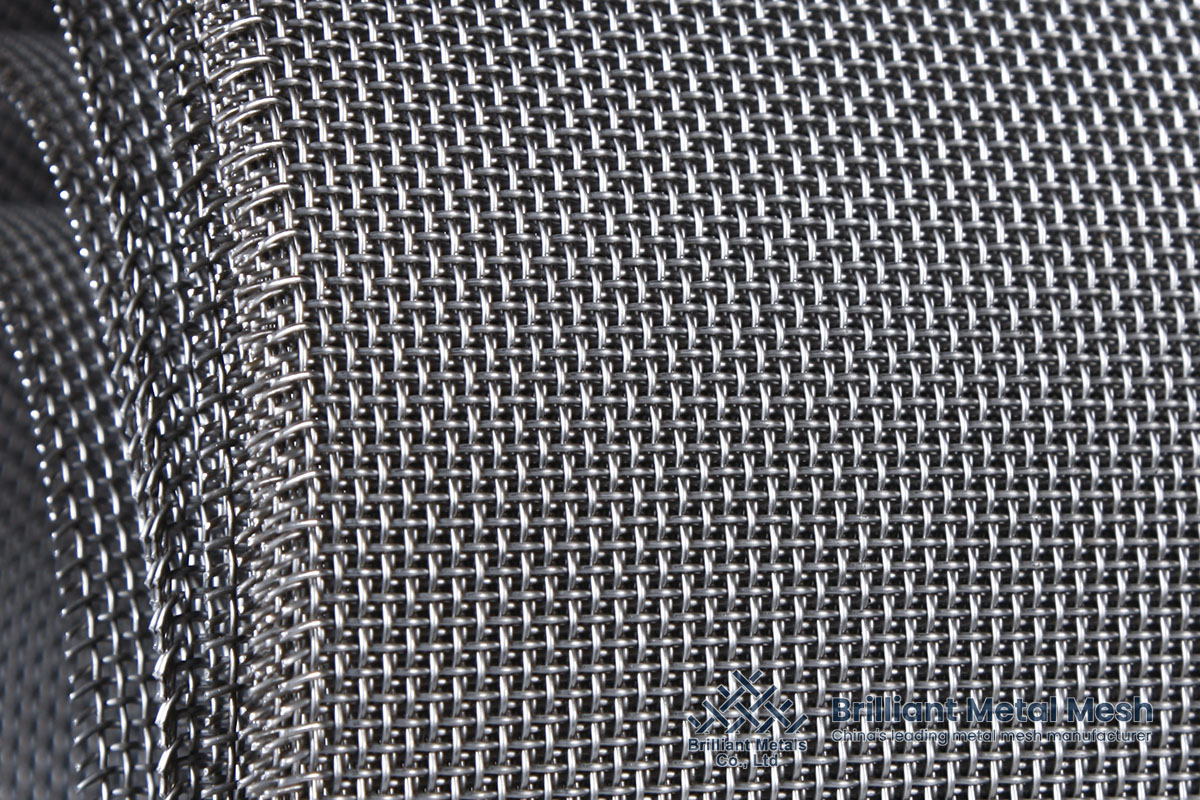
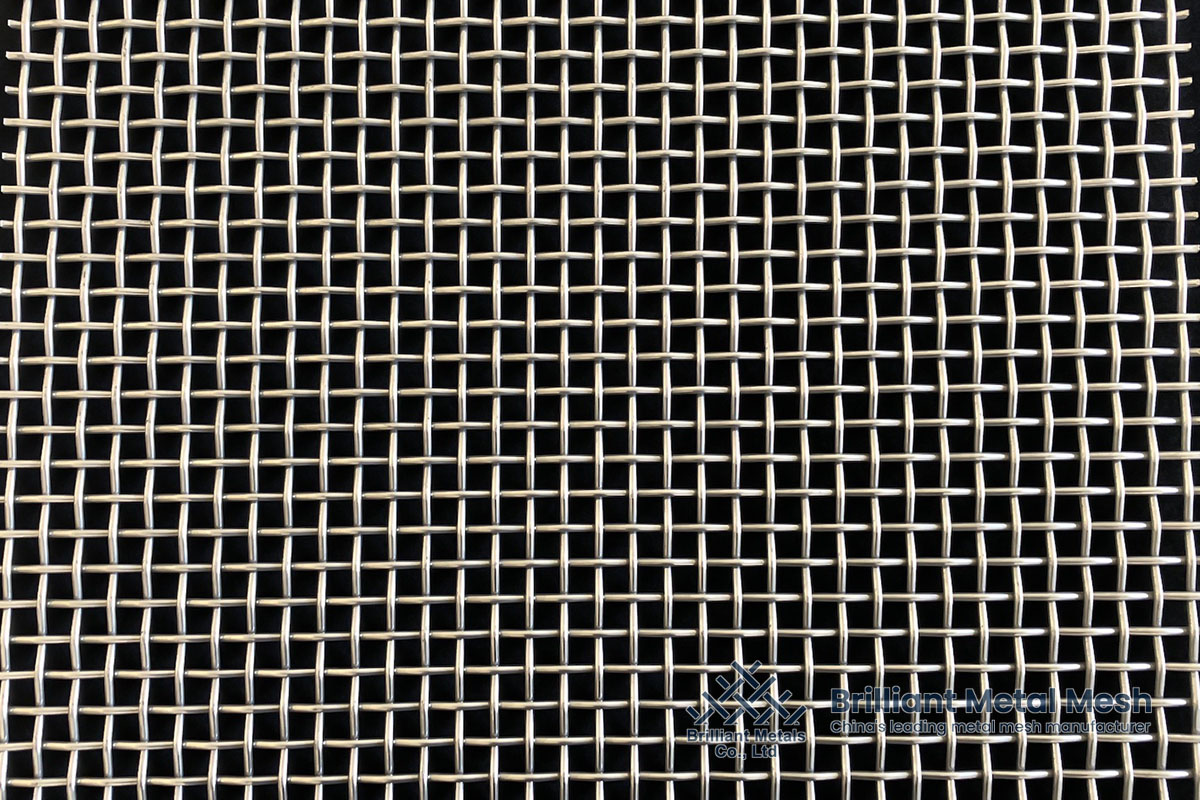
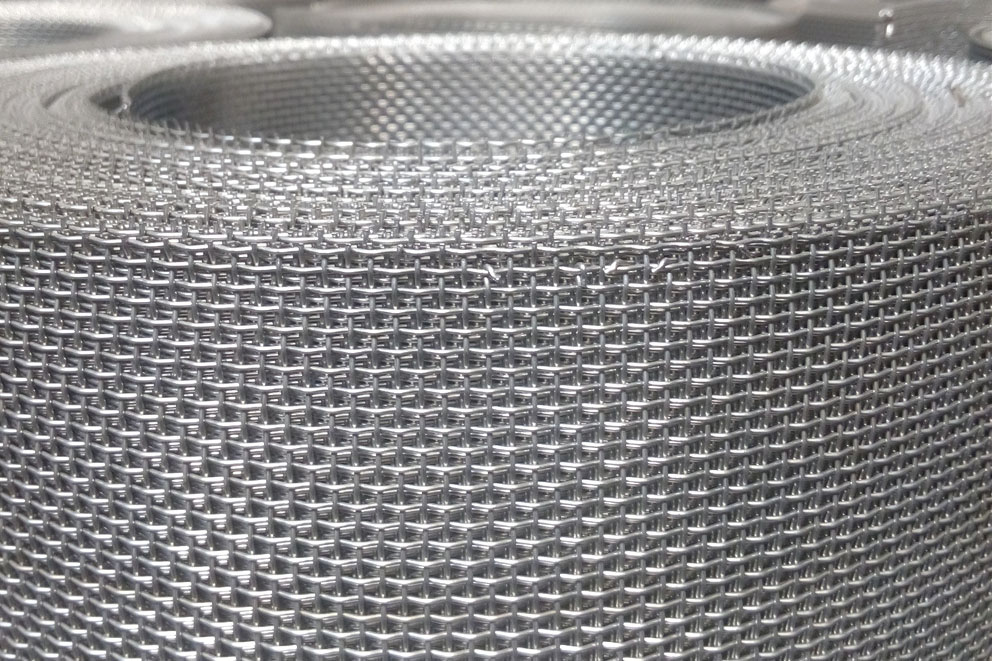
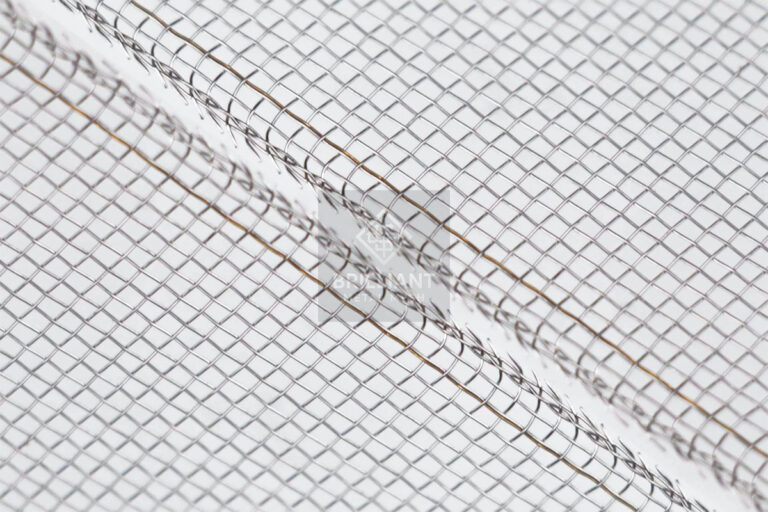
Woven wire mesh is a versatile and durable metal mesh material made by interweaving metal wires in a crisscross pattern to form a grid or mesh structure. This interlacing is done on industrial looms, where the warp (vertical wires) and weft (horizontal wires) are woven together in precise and consistent patterns. The result is a mesh that offers strength, uniformity, and flexibility, making it suitable for a wide range of applications across industries such as construction, agriculture, mining, manufacturing, and architecture.
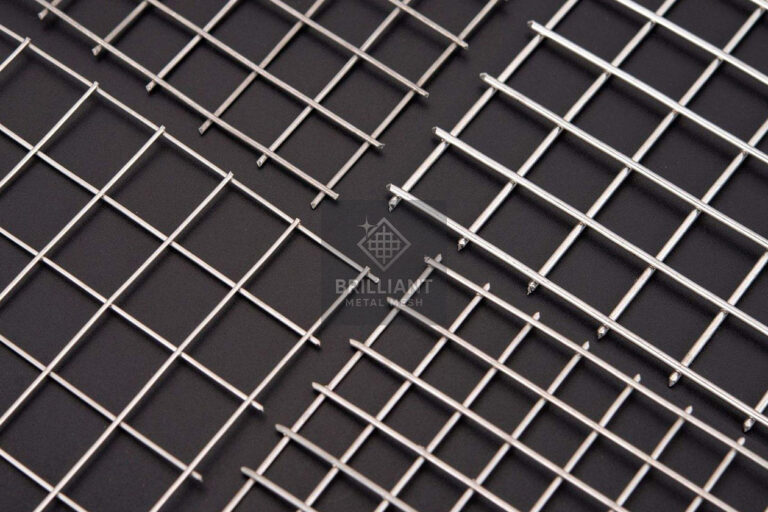
Unlike welded wire mesh, where the intersections are joined by welding, woven wire mesh screen maintains its structure purely through the weaving process. This construction method provides excellent flexibility, strength, and precise control over aperture size and open area. The resulting mesh can vary in density, strength, and opening size, making it suitable for a wide range of industrial, architectural, and commercial applications.
Types of Woven Wire Mesh Screen
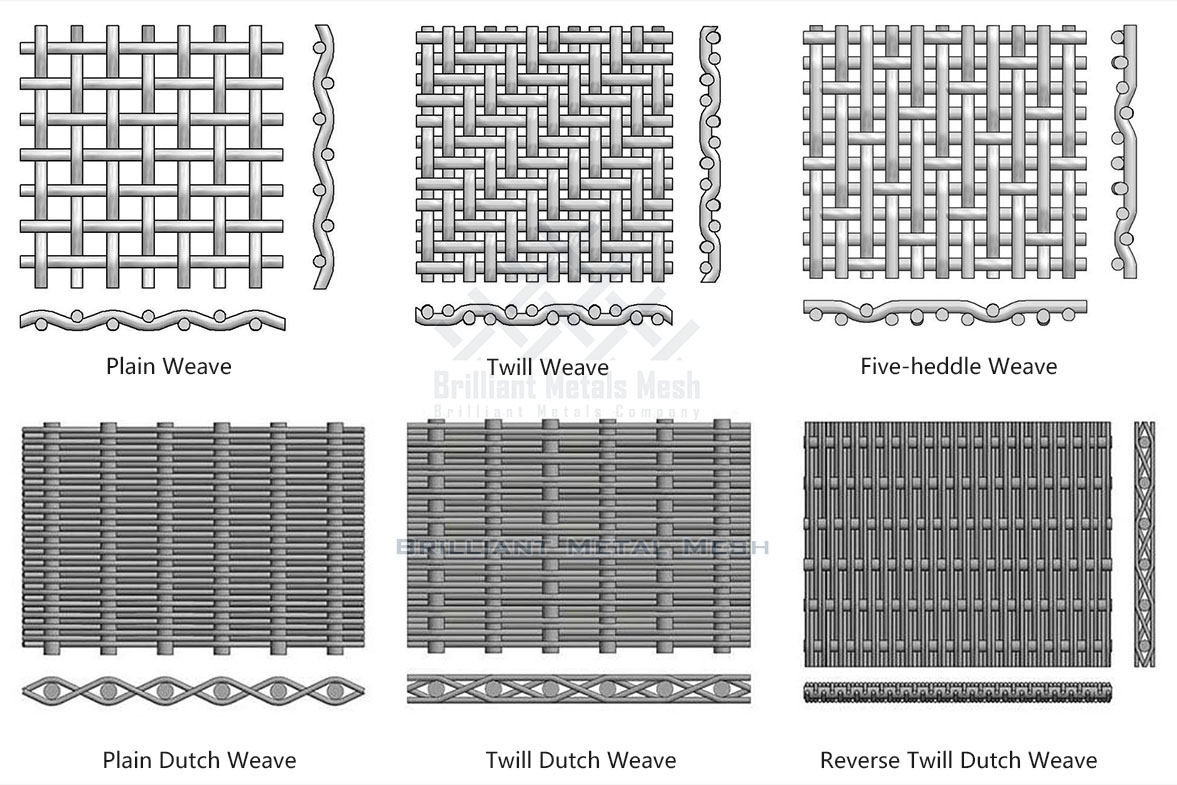
There are several common weaving styles used to produce different types of woven wire mesh screen, each with specific characteristics tailored to distinct applications:
- Plain Weave Wire Mesh: The simplest and most commonly used weaving pattern. Each weft wire alternates over and under each warp wire, forming a stable and uniform structure. This woven mesh pattern offers high precision and is ideal for general-purpose filtration, screening, and separation.
- Twill Weave Wire Mesh: In twill weave, each weft wire passes over two and under two warp wires (or vice versa), producing a diagonal pattern. This woven wire mesh type provides greater strength and allows for finer mesh sizes compared to plain weave, making it suitable for high-pressure filtering and fine particle retention.
- Dutch Weave Wire Mesh: A tightly woven mesh using heavier warp wires and finer weft wires. It is designed for high filtration performance, with very small pore sizes. Dutch weaves are often used in pressure filtration and liquid/gas separation. Two variations exist:
- Plain Dutch Weave - Strong and fine, excellent for fluid filtration.
- Twill Dutch Weave - Combines the strength of twill weave with the filtration capacity of Dutch weave for extremely tight filtration.
- Reverse Dutch Weave Metal Mesh: This woven wire mesh pattern is a reversed version of the plain Dutch weave where the warp wires are finer and the weft wires are thicker. This structure enhances flow rate while maintaining filtration performance, useful in applications requiring strong mesh with minimal clogging.
- Five-Heddle and Multi-Twill Weaves: These specialized weaves offer higher flow rates and smoother surfaces, making them suitable for industrial uses such as plastic extrusion and slurry separation.
Materials Used in Woven Wire Mesh
Woven wire mesh screen can be manufactured from a broad range of metal and alloy materials, depending on the intended application:
- Stainless Steel (304, 316, 316L): The most popular material due to its corrosion resistance, strength, and heat tolerance.
- Mild Steel and Carbon Steel: Cost-effective options for general-purpose use where corrosion is not a concern.
- Aluminum: Lightweight and corrosion-resistant, used in applications requiring less structural strength.
- Brass and Copper: Offer excellent conductivity and decorative appeal, suitable for architectural applications and EMI shielding.
- Nickel and Monel: High-performance alloys for corrosive or high-temperature environments.
- Titanium: Lightweight, highly corrosion-resistant, used in aerospace, marine, and chemical processing industries.
Each material is selected based on specific properties like corrosion resistance, conductivity, tensile strength, and compatibility with chemicals or temperatures.
Please contact us via the form below, we will get back to you as soon as possible.